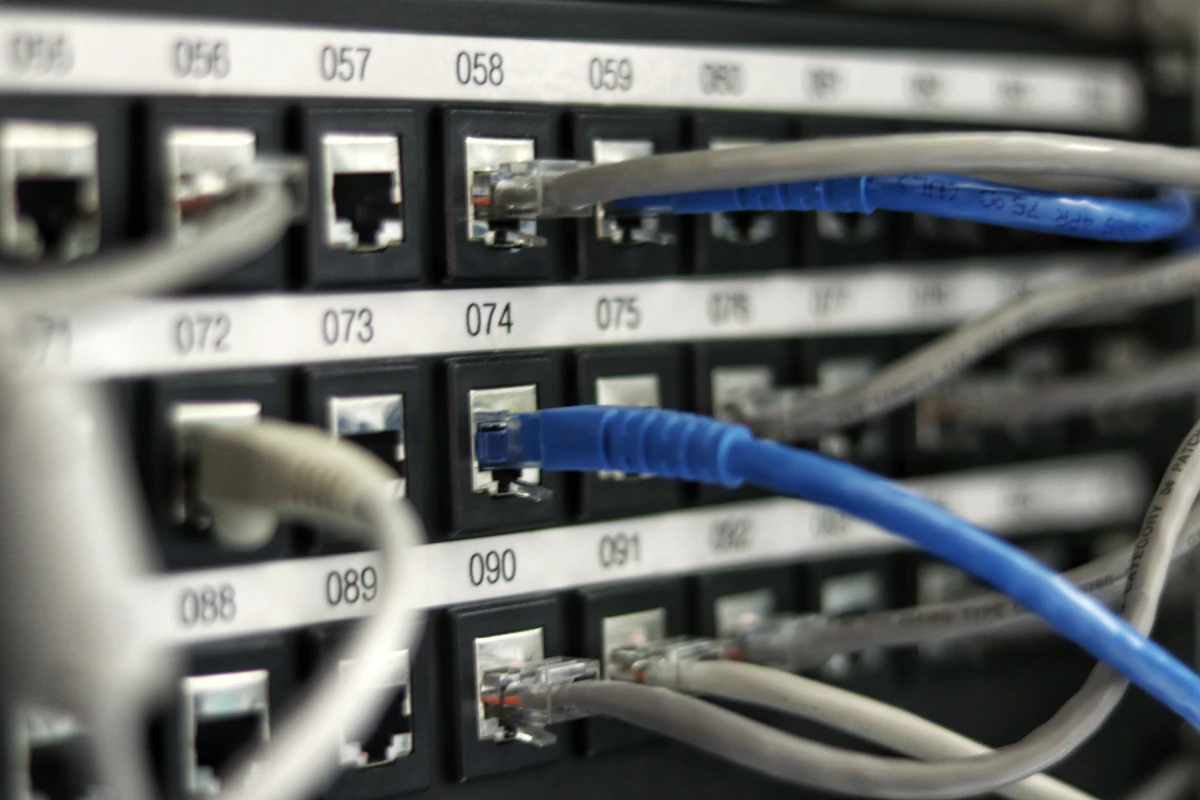


The Internet of Things connects physical devices — sensors, cameras, machines, and vehicles — to the internet, enabling them to collect and share data automatically. In the Philippines, IoT adoption is accelerating as hardware costs drop and connectivity improves across regions. At PROGREX, we have seen firsthand how smart systems create transformative value for businesses of all sizes, from family-run farms to mid-sized manufacturers. The IoT revolution is no longer futuristic — it is happening in Philippine fields, factories, warehouses, and stores right now, and companies that act early are building competitive advantages that will compound over the years ahead.
Agriculture is perhaps where IoT creates the most immediate impact in the Philippines. Soil sensors measure moisture, pH, temperature, and nutrient levels in real-time, sending alerts to farmers' phones when irrigation is needed or conditions are suboptimal — reducing water waste by 30–40% and improving crop yields without requiring farmers to be physically present at every corner of their land. Smart irrigation systems activate based on soil moisture data and weather forecasts, eliminating manual watering schedules that waste water during rain or fail crops during dry spells. Wearable sensors on livestock track health indicators such as temperature, activity levels, and feeding patterns, enabling early detection of illness before it spreads through a herd. Camera-equipped drones capture aerial imagery analyzed by software to detect pest infestations, nutrient deficiencies, and growth patterns across entire fields, giving farm managers a level of visibility that was simply impossible a decade ago.
Philippine manufacturing is rapidly adopting Industry 4.0 principles, and IoT is at the center of that transformation. Predictive maintenance is one of the highest-value applications: sensors on machinery monitor vibration, temperature, and performance metrics, while machine learning algorithms predict when equipment will need servicing before it breaks down, reducing unplanned downtime by 35–45% and eliminating the catastrophic production losses that unexpected failures cause. Computer vision systems inspect products on production lines at speeds and accuracy levels impossible for human inspectors, improving defect detection rates from 90% to 99% or better. Smart energy meters track consumption across facilities and identify waste — machines running during off-hours, inefficient equipment, peak demand patterns — enabling energy cost reductions of 15–25% that go directly to the bottom line.
In logistics, IoT-enabled fleet tracking provides real-time data on vehicle location, speed, fuel consumption, and route efficiency, allowing dispatchers to optimize routes dynamically and meaningfully reduce operating costs. Cold chain monitoring is critical for food and pharmaceutical logistics: temperature sensors in refrigerated vehicles and warehouses continuously track conditions and trigger immediate alerts if any deviation occurs, preventing spoilage of temperature-sensitive goods and the liability that accompanies it. Retail operations benefit from foot traffic analytics that reveal which store areas attract attention and how layout affects purchasing behavior, while smart shelves detect low stock and automatically trigger reorder processes tied directly to POS data. Beacon technology further enables personalized offers based on a customer's location within the store and their purchase history, closing the gap between physical and digital retail intelligence.
Building an IoT solution involves both a hardware layer and a software layer working together. The hardware layer includes sensors for temperature, humidity, motion, and GPS, connected via WiFi, LoRaWAN, or cellular networks to microcontrollers like the ESP32 or Raspberry Pi for edge computing. The software layer processes that data — filtering and aggregating it at the edge before sending it to a cloud platform such as AWS IoT Core or a custom backend, where it is stored in time-series databases and surfaced through real-time dashboards and mobile alerts. At PROGREX, we build the software layer: dashboards, data processing pipelines, alerting systems, and mobile apps, partnering with hardware specialists for the physical components to deliver complete smart system solutions tailored to each client's operational reality.
For Philippine businesses considering IoT, the most effective approach is to start by identifying the highest-value data — what information would transform your operations if you had it in real-time? From there, pilot with one facility or one process, measure ROI carefully by comparing costs and efficiency before and after, and then scale what works across the broader organization. IoT and smart systems are not just for multinational corporations — affordable sensors, cloud computing, and custom software put meaningful competitive advantages within reach for Philippine SMEs willing to invest in the data layer that modern business intelligence demands. At PROGREX, we help businesses design, build, and deploy smart systems that turn physical data into actionable insight.